
Discover Formentera: Archaeology, Salt Flats and the Millennial History Hidden Beneath the Sun
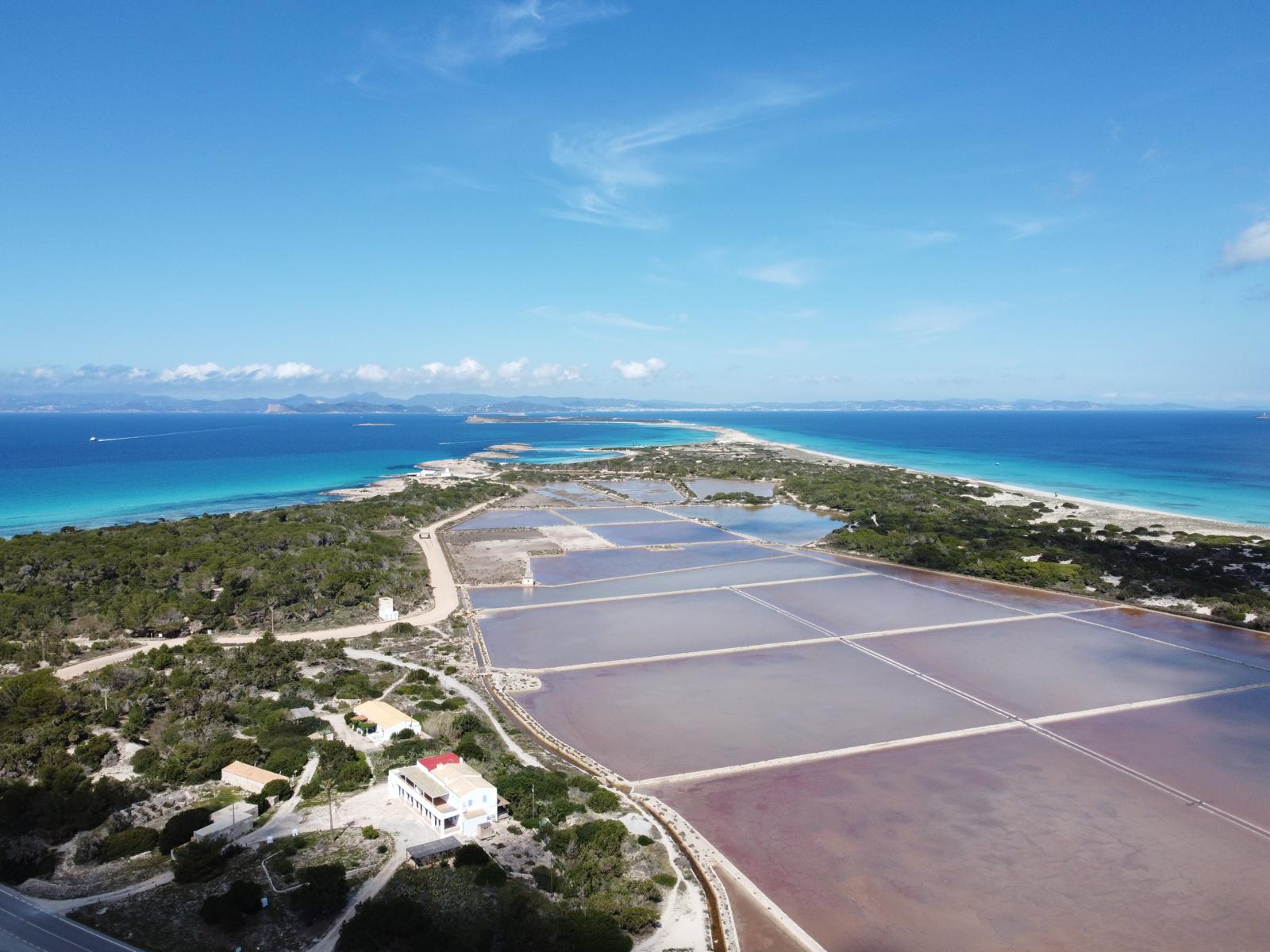
Formentera instantly evokes images of an idyllic present: pristine beaches, crystal-clear waters and pure relaxation. Yet beneath this dazzling surface lies a deep and millennia-old history, shaped by ancient civilizations and generations of people who molded this unique Mediterranean landscape. The island is not only a dream holiday destination in the Balearic Islands, but also a true treasure of history, archaeology and Mediterranean culture.
For travelers seeking a more authentic and cultural experience in Formentera, the island reveals a fascinating heritage waiting to be explored.
If you want to go beyond the beaches and discover the hidden secrets of Formentera scattered among rocky shores, rural landscapes and natural scenery, prepare for a fascinating journey through time. The salt flats, archaeological sites and historic defensive structures tell stories of ancient peoples, trade, labor and survival in the heart of the Mediterranean.
The Salt Flats of Formentera: White Gold and Historic Heritage
The salt flats are one of the most iconic and historically significant elements of Formentera’s landscape. For centuries, salt extraction was the economic engine of the island, attracting different ancient civilizations and shaping its history, culture and territory.
Ancient Origins: Salt production in Formentera dates back to Roman times, and possibly even earlier to the Phoenicians. In ancient times, salt was an extremely valuable resource, often called “white gold”, essential for preserving food and supporting Mediterranean trade routes.
Historical Development: Over the centuries, the salt flats were managed by various powers, from the Romans to the Arabs, later by the Crown of Aragon and eventually by private owners. Each historical era left its mark on the landscape through canals, dikes and evaporation ponds that still characterize the area today.
A Unique Ecosystem: Today, the salt flats are part of the Ses Salines Natural Park of Ibiza and Formentera, recognized as a UNESCO World Heritage Site. Beyond their historical and industrial importance, they are also a crucial ecosystem for migratory birds, including the famous pink flamingos. This area represents a remarkable example of how traditional human activity can coexist in harmony with nature.
Archaeological Sites: Traces of a Distant Past
Despite its small size, Formentera preserves important archaeological remains that reveal human presence since prehistoric times.
The Megalithic Tomb of Ca na Costa: Located near Es Pujols, this funerary monument dating from around 1800–1600 BC is one of the most significant Neolithic sites in the Balearic Islands. It provides insight into the earliest communities that inhabited the island and their burial rituals.
The Sites of Cap de Barbaria: The Cap de Barbaria area, known for its iconic lighthouse, also hosts several smaller archaeological sites, including Bronze Age settlements. These remains reveal how the first inhabitants of Formentera lived and organized their communities. Circular stone structures and tools discovered in the area suggest a simple lifestyle deeply connected to the land.
These sites are true windows into the past, revealing a version of Formentera very different from the island we know today, yet equally fascinating from a historical and cultural perspective.
Defense Towers and Pirates: A History of Resistance
Formentera’s strategic position in the Mediterranean made it vulnerable for centuries to attacks and maritime raids. The island’s history is rich with stories and legends about pirates who once threatened its shores.
To defend themselves, the inhabitants of Formentera built a network of coastal defense towers along the island’s coastline.
Torre de sa Punta Prima, Torre des Pi des Català, Torre de la Gavina: These towers, built between the 17th and 18th centuries, were part of a surveillance and defense system designed to detect enemy ships and warn the population quickly. Their robust architecture and strategic locations tell stories of sentinels, battles and resistance.
The Fortified Church of Sant Francesc Xavier: Even the island’s main church was designed with defense in mind. Located in the capital, Sant Francesc Xavier, it features thick walls and a fortified roof that once served as a refuge for residents during pirate attacks.
Today, these historic structures stand as symbols of the resilience of the island’s inhabitants and their determination to protect their land.
Windmills and Rural Traditions: The Culture of the Land
The interior of the island reveals another essential aspect of Formentera’s heritage: its rural and agricultural traditions. The picturesque windmills, such as the Molí Vell de la Mola, are not merely scenic landmarks but reminders of a time when daily life depended directly on the land and the wind to grind grain.
The Ethnographic Museum of Formentera, located in Sant Francesc Xavier, completes this journey into the past. Visitors can explore traditional tools, clothing, furniture and historic photographs that tell the story of everyday life, customs and trades of the island’s inhabitants through the centuries. The museum offers a gateway to the most authentic Mediterranean culture that shaped the identity of Formentera.
A Journey Beyond the Beach: The Authentic Formentera
Exploring the historical and archaeological side of Formentera enriches any travel experience. It invites visitors to look beyond the beauty of its beaches and discover the resilient soul of an island with centuries of stories to tell.
Its history, carved into its stones, salt flats and traditions, makes Formentera an even deeper and more fascinating destination. Beneath the Mediterranean sun lies a true jewel of culture, archaeology and history, revealing the most authentic essence of this extraordinary island in the Balearic Islands.