
Sustainable Formentera: Ecotourism, Marine Conservation and the Island’s Green Future
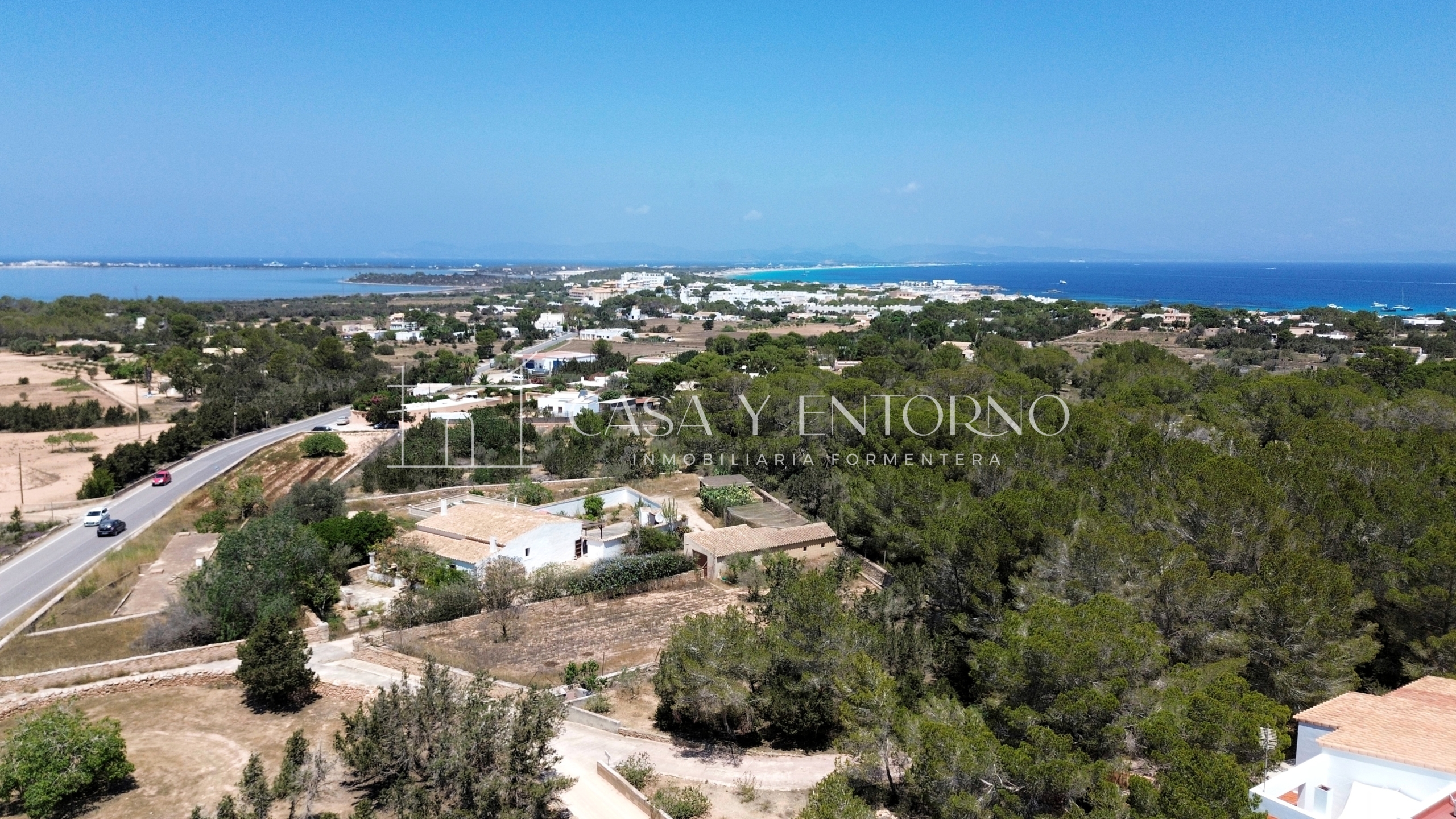
Formentera is universally recognized as a Mediterranean paradise, a true oasis of untouched natural beauty and pristine landscapes. But beyond its dream beaches and crystal-clear waters, the island hides a deep and proactive commitment to environmental sustainability. The idea of a sustainable Formentera is not just a slogan, but a genuine model of living and land management that makes it a leading destination for Medititerranean ecotourism and a benchmark for responsible and sustainable travel.
If you are conscious travelers, attentive to environmental impact and curious to discover how a small island can be at the forefront of marine conservation, ecosystem protection and sustainable development, then Formentera will reveal its true green future.
Posidonia Oceanica: The Underwater Green Heart of Formentera
At the core of Formentera’s environmental conservation strategy lies Posidonia oceanica. This endemic Mediterranean marine plant is not a simple seaweed, but a true underwater forest, recognized as a UNESCO World Heritage ecosystem since 1999. The vast underwater meadows surrounding the island perform essential ecological functions:
Oxygen Production: It is considered the “lung of the Mediterranean”, producing more oxygen than many terrestrial forests.
Natural Filtration: It acts as a natural sea filter, maintaining crystal-clear waters and supporting the extraordinary transparency that makes Formentera famous worldwide.
Coastal Protection: Its roots stabilize the seabed and the leaves that reach the shore create natural barriers that protect beaches from erosion.
Marine Biodiversity: It provides habitat, shelter and nourishment for thousands of marine species, contributing to exceptional Mediterranean biodiversity.
To safeguard this natural treasure, Formentera launched the Save Posidonia Project, an initiative that allows visitors to “adopt” square meters of Posidonia, directly contributing to its protection. In addition, strict rules regulate boat anchoring, with controlled mooring areas designed to prevent damage to the underwater meadows.
Vehicle Limitations and Sustainable Mobility
A pioneering initiative to reduce environmental impact in Formentera is the regulation of motor vehicle access during the summer months [3]. The island has introduced a maximum number of cars and motorcycles allowed to circulate, encouraging:
Traffic and Noise Reduction: Fewer vehicles mean greater tranquility, less congestion and a quieter environment.
Improved Air Quality: Reduction of polluting emissions and improved environmental conditions.
Promotion of Sustainable Mobility: Encouraging the use of bicycles (thanks to the extensive network of “Green Routes”), electric buses and electric rental vehicles.
This policy of green energy and smart mobility is a concrete example of how tourism can be managed responsibly to protect a fragile and unique ecosystem.
Ses Salines Natural Park: Terrestrial and Aerial Ecosystem
In addition to the marine environment, the Ses Salines Natural Park of Ibiza and Formentera protects a terrestrial and aerial ecosystem of extraordinary ecological value. This area, which includes the historic salt flats, is a RAMSAR site of international importance for wetlands and hosts more than 210 species of birds, many of them migratory, such as the iconic pink flamingos.
Its marine and terrestrial preservation is essential for maintaining the natural balance of this Mediterranean ecosystem.
The park is not only a protected area but also a living laboratory for environmental education, where visitors can learn about the importance of nature conservation and biodiversity protection.
How to Be a Responsible Tourist in Formentera
For those visiting the island, especially during the low season, becoming part of Formentera’s green future is simple:
Choose Eco-Friendly Accommodations: Opt for accommodations that implement sustainable practices, such as renewable energy use, water recycling and waste reduction.
Sustainable Mobility: Rent bicycles or electric vehicles, use public transport or simply walk to explore the island.
Respect Nature: Do not leave waste, do not take sand or shells from the beaches, stay on marked trails and avoid disturbing wildlife.
Support the Local Economy: Buy local and artisanal products and visit restaurants that prioritize locally sourced or zero-kilometer ingredients.
Participate: Learn about local initiatives such as beach clean-ups or environmental volunteer projects you can join.
Formentera: A Model of Sustainable Development
Formentera’s commitment to environmental sustainability positions it as a unique model in the landscape of responsible tourism in the Mediterranean. Its green local policies and strong focus on marine conservation and ecosystem protection demonstrate that it is possible to combine high-quality tourism with environmental preservation.
Visiting Formentera today means not only enjoying extraordinary natural beauty, but also participating in a vision of the future: a green future where humans and nature coexist in harmony. It is a journey that leaves not only unforgettable memories, but also the awareness of having helped preserve a natural paradise for future generations.