
The Pink Flamingos of Formentera: An Elegant Winter Natural Spectacle
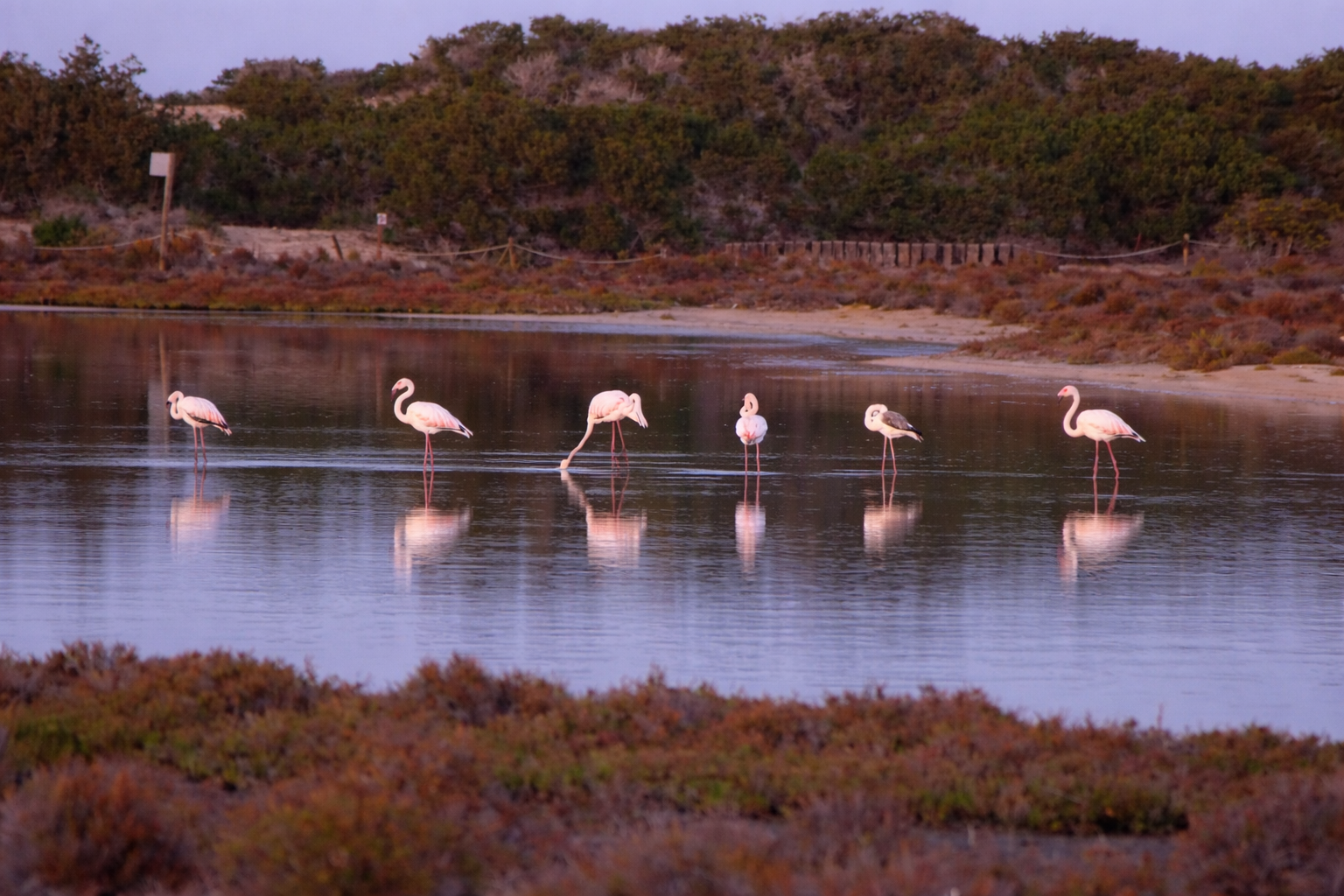
Formentera, the smallest and most enchanting of the Balearic Islands, is renowned worldwide for its white sandy beaches, crystal-clear waters, and breathtaking sunsets. Yet this paradisiacal island also hides a lesser-known but equally fascinating natural secret: the presence of elegant pink flamingos. Far from the summer crowds, the colder months reveal a true wildlife sanctuary, offering unforgettable natural displays for nature lovers and birdwatching enthusiasts.
The island, especially during autumn and winter, becomes a vital refuge for numerous migratory bird species, including majestic flamingos which, with their unmistakable pink hues, create living картины of rare beauty and serenity.
Where and When to See Flamingos in Formentera
The main habitat and observation point for flamingos in Formentera is the saltwater lagoons of Ses Salines (Parc Natural de Ses Salines d’Eivissa i Formentera). This vast protected area, recognized as a UNESCO World Heritage Site, is not only a landscape marvel but also a crucial ecosystem for biodiversity. The shallow, organism-rich waters of the brackish lakes, such as Estany Pudent and Estany des Peix, provide an ideal feeding ground for these elegant birds.
Flamingos can be found in Formentera for much of the year, but the best times to observe them in large numbers are spring (March–May), during their northward migration, and especially autumn and winter (October–March), when they arrive on the island to overwinter or as a resting stop along their long migratory routes. During these months, milder temperatures and reduced human presence allow them to remain undisturbed, offering a daily spectacle of grace and color.
The Secret Behind the Pink: The Flamingos’ Diet
The pink flamingos of Formentera belong to the species Phoenicopterus roseus, the greater flamingo, and their most distinctive feature is their pink coloration. The characteristic coloring of these birds, ranging from white to pale pink and up to deeper shades of red and orange, depends almost entirely on their diet. They feed on small crustaceans (such as Artemia salina) and microscopic algae that thrive in the brackish waters of the lagoons. These organisms are rich in carotenoids, natural pigments that are metabolized by the birds and deposited in their feathers, skin, and beaks, giving them their unmistakable pink tones.
Perceived variations in color, such as a slight “purplish” hue, can result from several factors:
- Light: At sunrise or sunset, the golden or reddish light of the sun reflecting on their feathers and on the water can create striking optical effects, altering color perception and enhancing deeper pink and red shades.
- Pigment intensity: Some individuals, depending on their specific diet and genetics, may develop more intense and saturated pink coloring, tending toward magenta or fuchsia.
- Juveniles vs. adults: Young flamingos are initially grayish-white and gradually develop their pink coloration as they age and accumulate pigments.
Regardless of the exact shade, observing these magnificent flamingos in Formentera during winter as they move gracefully through the saltwater lagoons is a breathtaking experience—a true ballet of nature.
A Vital Ecosystem: The Ses Salines Natural Park
The Ses Salines Natural Park of Eivissa and Formentera is not only a paradise for flamingos. It is an area of outstanding ecological importance that includes the salt flats and wetlands of both islands, as well as the stretch of sea between them, famous for its meadows of Posidonia oceanica (also a UNESCO World Heritage Site). The park is home to more than 210 bird species, making it one of the most important ornithological areas in the Mediterranean.
Admiring the pink flamingos of Formentera is an experience that greatly enriches a visit to the island, revealing a wild and unspoiled side often hidden from summer visitors. It is an invitation to rediscover the natural beauty of Formentera and to enjoy a truly unique experience beyond its beaches.